
Sydney Penrose is a Marketing Manager with nearly a decade of experience in the HVAC industry. Since 2016, she’s worked alongside product experts and technical teams to create clear, approachable content that helps homeowners, contractors, and industry professionals understand the value of today’s heating and cooling innovations.
Let's be honest—when your energy bill arrives each month, do you sometimes do a double-take at those heating and cooling costs? You're not alone. With energy prices climbing and more of us caring about our environmental impact, finding the right energy efficient HVAC system has become a real game-changer for homeowners.
The good news? Upgrading to the most energy efficient HVAC system isn't just about saving money (though that's definitely a nice perk). It's about creating a home that's comfortable year-round, with better air quality and peace of mind knowing you're doing your part for the planet.
What Makes an HVAC System "Energy Efficient"?
Before we dive into specific systems, let's talk about those confusing acronyms you see everywhere—SEER, EER, and HSPF. Think of these as your system's report card when evaluating any energy efficient HVAC system:
SEER (Seasonal Energy Efficiency Ratio) measures how well your system cools your home over an entire season. The higher the number, the less energy it uses to keep you comfortable during those sweltering summer months.
EER (Energy Efficiency Ratio) looks at efficiency during peak conditions—basically, how well your system performs when it's working its hardest on the hottest day of the year.
HSPF (Heating Seasonal Performance Factor) is all about heating efficiency for heat pumps, ensuring you stay warm without breaking the bank during winter.
But here's something many people overlook: your energy efficient HVAC system is only as good as your home's envelope. Even the most efficient HVAC system will struggle if your house is leaking air like a sieve. Proper insulation in your walls, attic, and floors, plus sealing up those sneaky gaps around doors and windows, can dramatically improve your system's performance and help you achieve maximum efficiency from your investment.
Top Features That Actually Make a Difference
When you're shopping for the most energy efficient HVAC system, certain features separate the good from the great:
Variable-Speed Motors: These are like the cruise control of high efficiency HVAC systems. Instead of running at full blast or not at all, they adjust their speed based on what your home actually needs. The result? Quieter operation, lower energy bills, and more consistent temperatures throughout your house. This technology is a hallmark of the most efficient HVAC systems available today. This premium feature is standard across Samsung's entire product lineup, meaning you get this efficiency advantage regardless of the model you choose.
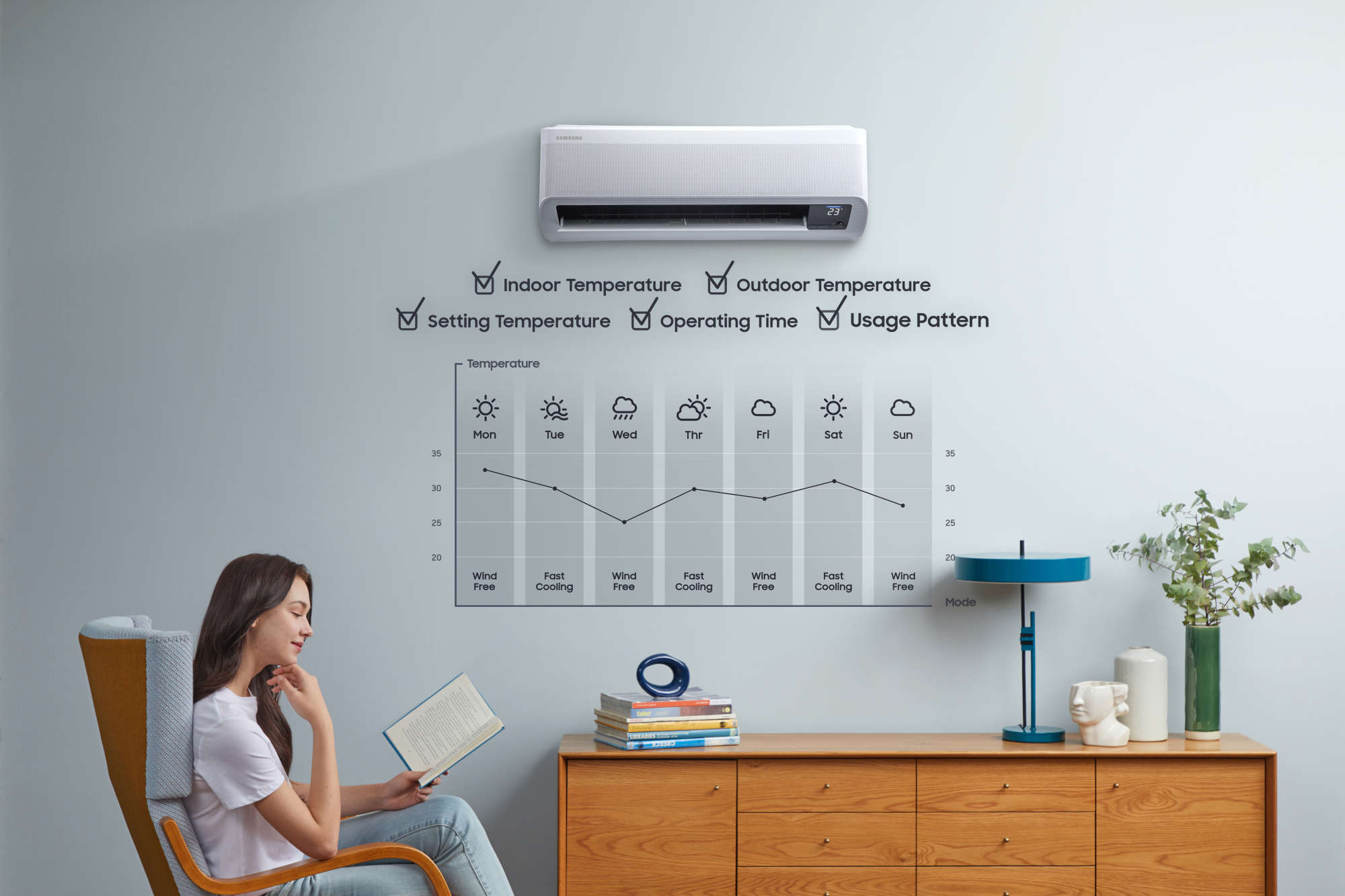
Programmable and Smart Thermostats: These little devices work perfectly with any energy efficient HVAC system. Programmable thermostats let you schedule settings to use less energy when you're away from home for longer periods, and smart thermostats let you adjust settings from anywhere on your mobile device with an internet connection. They learn your schedule, adjust automatically when you're away, and some can even detect when you're on your way home to start warming or cooling things up. Many homeowners see noticeable savings just from this upgrade alone, especially when paired with high efficiency HVAC equipment. What really sets Samsung apart in the smart home space is our comprehensive ecosystem approach. Our exclusive SmartThings app allows homeowners to remotely regulate temperature, adjust settings, receive real-time update about system performance and energy usage. The SmartThings app goes even further by letting you connect, automate, and manage all of your Samsung and SmartThings-compatible appliances and electronics with a single, easy-to-use app.
Energy Star Certification: Look for Energy Star HVAC systems, which meet strict efficiency guidelines set by the EPA. These most efficient HVAC systems can save you hundreds of dollars annually on energy costs while reducing your carbon footprint.
Zoned Systems: If you have a multi-story home or rooms that seem impossible to keep comfortable, zoned systems let you control temperatures in different areas independently. This feature is particularly valuable in the most efficient heating and cooling systems, as it prevents you from heating or cooling unused spaces.
Making Your System Work Harder (So You Don't Have To)
Even the most energy efficient HVAC system needs some TLC to perform at its peak:
Regular Maintenance: Schedule those seasonal check-ups. A technician can clean coils, check refrigerant levels, and catch small problems before they become expensive repairs. Proper maintenance ensures your energy efficient HVAC system continues operating at peak efficiency.
Filter Cleaning or Changes: This seems simple, but it's amazing how many people forget. A dirty filter makes even the most efficient HVAC system work harder and can actually damage equipment over time.
Right-Sizing: This is crucial and often overlooked. A good contractor will perform a load calculation to determine the perfect size for your specific home, ensuring you get the most efficient heating and cooling systems for your needs.
The Real-World Impact on Your Wallet
Let's talk numbers for a moment. While the most energy efficient HVAC system does cost more upfront, it typically pays for itself through lower utility bills over time. According to the U.S. Department of Energy, replacing an old air conditioner unit with an energy efficient unit could save you 20-40 percent on your home cooling costs. Energy Star data shows that properly installed high-efficiency units can save up to 20 percent on heating and cooling costs, with some homeowners seeing even greater savings depending on their previous system's condition.
Here's what many homeowners don't realize: federal tax credits cover some costs, while states offer rebates reducing expenses. Using these incentives lowers the initial investment for energy-efficient solutions. Energy Star HVAC systems often qualify for the best incentives, making high efficiency HVAC upgrades more affordable than ever. Some utility companies also offer special financing programs or additional rebates for customers who choose the most efficient heating and cooling systems.
The long-term savings are substantial. Over a 15-20 year lifespan, an energy efficient HVAC system can save thousands of dollars in energy costs while providing superior comfort and reliability.
The Bottom Line
Investing in an energy efficient HVAC system is one of those home improvements that keeps giving back. You'll enjoy lower energy bills, better comfort, improved air quality, and the satisfaction of reducing your environmental footprint.
The key is doing your homework, working with qualified professionals, and choosing the most energy efficient HVAC system that fits your home's specific needs and your family's lifestyle. Whether you're considering Energy Star HVAC options or exploring the most efficient heating and cooling systems available, the right choice will provide years of comfort and savings.
Ready to take the next step? Find a local Samsung HVAC contractor to determine which high efficiency HVAC solution is perfect for your home.